

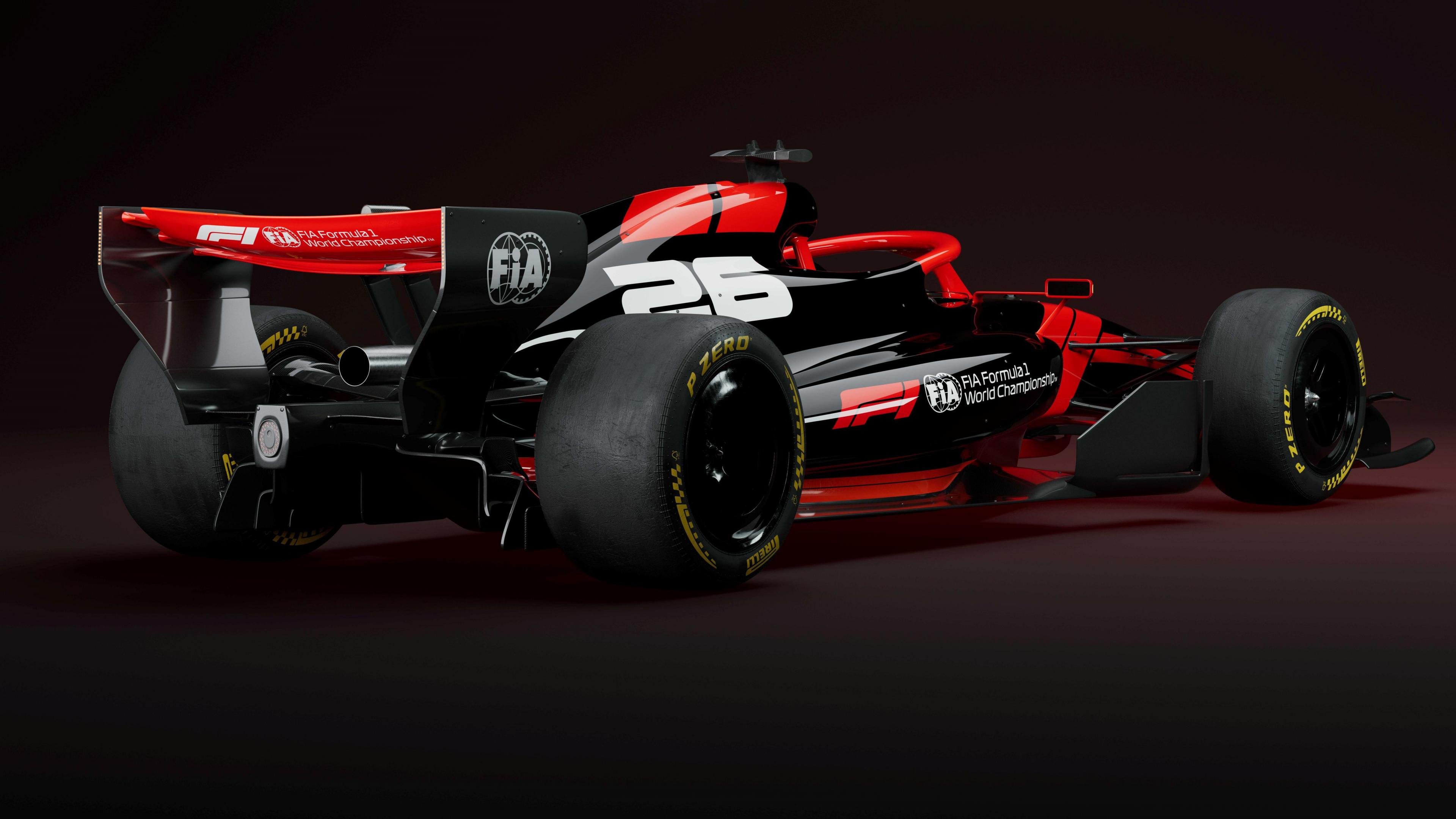
The 2026 Formula 1 cars are set to be more compact, agile and eco-conscious relative to present-day cars.
F1 has introduced the official language that will be used to reference the technical complexities of its new 2026 technical rules.
The racing series is embarking on what is potentially the largest technical shift in its competitive history next season, featuring revised car and engine specifications and the required adoption of fully sustainable fuels.
The revised engines, which retain the 1.6-litre V6 configuration, boast a significantly increased energy storage, driving major innovations in the cars' aerodynamics.
Over a race distance, pilots will carefully oversee ERS energy – potentially on qualifying laps – to extract the best performance.
Wide-ranging research were conducted with a diverse audience, including dedicated enthusiasts and casual observers, to understand which phrases would make things clearer of the main elements of the 2026 changes.
The primary aim was to render a set of intricate features of the racing as accessible as possible for the global fanbase.
Consequently, initial designations for specific components – such as "modes labelled X and Z" for the active aerodynamics – have been discarded in favour of intuitive labels that clearly indicate the real-world effect of the technology.
Exploring the New Tech
According to rule-makers that drivers will have increased agency to determine tactics regarding battery management, harvesting, and saving energy.
The upcoming changes feature a series of modes that will be clearly indicated on TV overlays to aid the audience's understanding of the on-track action.
- Attack Mode: This supersedes the present overtaking aid. It provides a surge of additional ERS power accessible when a car is close behind the car ahead to assist with an overtaking maneuver.
- Extra Push Mode: This is a driver-operated power boost from the ERS that can be used in offensive or defensive moves. It provides the pilot full engine and battery energy at the push of a button.
Both of these strategic tools will have to be used with calculation, as the overall battery capacity is strictly limited.
- Active Aerodynamics: Both the car's wings change configuration – opening on the straights for reduced drag and increased velocity, and sealing in the corners for maximum downforce.
- Energy Harvesting: Cars can harvest energy with energy harvested under braking, or during coasting at the end of straights or in sections where only partial power is applied.
Car Design Evolution
The 2026 cars will be smaller and lighter than this year, with a car length reduced by 200mm to 3,400mm, car width cut by 100mm – down to 1,900mm – and the minimum weight decreased by 30kg.
Total aerodynamic grip is projected to decrease by approximately a significant margin, although squads will naturally regain performance as they develop their cars.
Drag has been slashed by 40%. The vehicles will utilize adjustable aero systems – front and rear wings will open on the straight sections to cut resistance and boost top speed and click back into place for maximum cornering performance.
Tyres will retain the current rim size, but the rubber compounds will be slimmer, by a quarter-centimetre on the front and three centimetres on the rear.
2026 Engine Regulations
The new power units will have an approximate 50-50 split in power produced by the ICE and the battery and motor, a rise from about 20% battery contribution this year.
The ERS setup is simplified through the deletion of the complex turbo energy recovery device, the intricate and expensive component that recovered energy from the turbocharger.
Cars will be obliged to compete on carbon-neutral fuel, created from plant-based materials or synthetic production methods.


